Some dishes enter like kings with trumpets blazing, spices marching, colours shouting for attention. They arrive dressed for spectacle, eager for applause. And then there are dishes like posto bata. Pale as the afternoon light, quiet as an old family secret, almost embarrassed by their own simplicity. They say nothing. They boast of nothing. They prefer staying aloof. They know they are not meant for everyone. Yet one mouthful, and suddenly the room belongs to them.
In our home, however, posto bata had a name – kancha posto. That is what we called it, with the intimacy families reserve for things they love too much to address formally. It was never merely a side dish. It was appetite, ritual, weakness, pride.
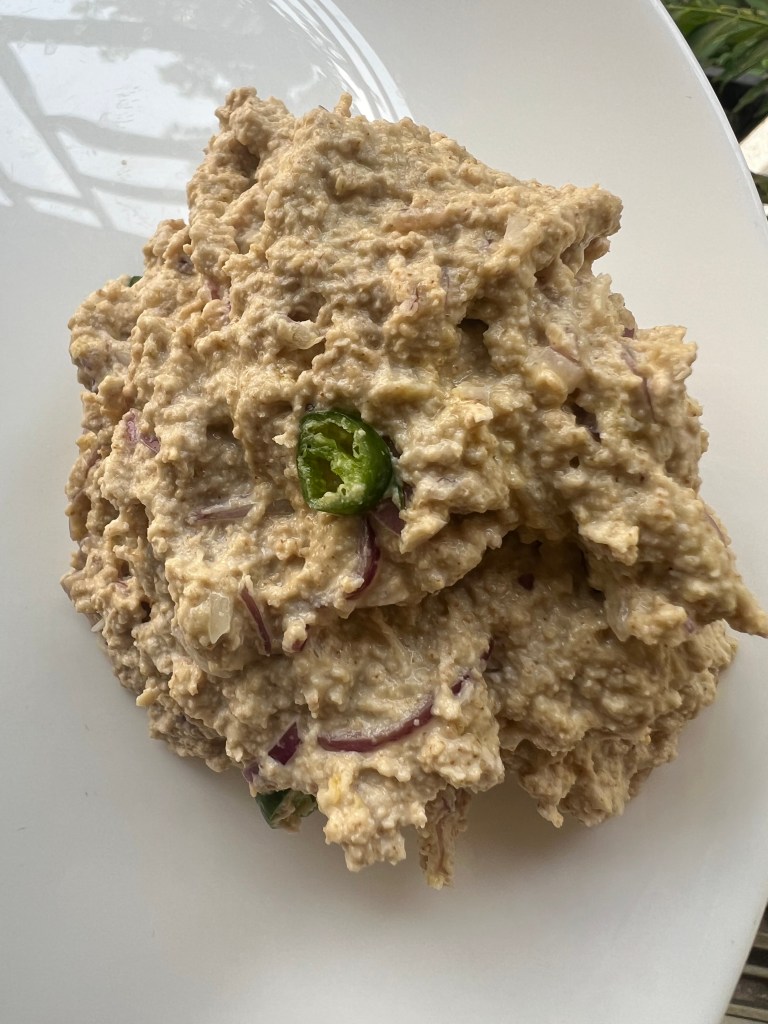
My father is obsessed with kancha posto. There is no softer word for it. The mention of it can improve his mood instantly. A meal without it may be perfectly fine, but a meal with it becomes memorable. He would ask if there was any in the kitchen before lunch was even served, pretending casual curiosity while hoping deeply for the right answer. We have endless stories about meals revolving around kancha posto.
And I, unfortunately or gloriously, am exactly the same.
Perhaps obsessions are hereditary. Perhaps some tastes travel through bloodlines more faithfully than property ever can. Whatever the reason, I grew up loving it not only because it was delicious, but because it was adored. Some children inherit stories from their fathers. Some inherit habits. I inherited a weakness for kancha posto. A major one. Incomparable, unhinged, indomitable.
My mother made it with the confidence of someone who understood that perfection often requires very little. Poppy seeds ground into a soft paste. A slash of mustard oil. Salt. Chopped onions. Chopped green chillies. No needless complication, no performance. Just instinct, balance, and memory moving through her hands.
Then came the ceremony of eating. Hot rice on the plate. A ball of kancha posto to one side. My father already reaching for more than his share. Me pretending restraint before doing the same. Mixed by hand until each grain wore a little sheen of mustard oil. Then the first bite: nutty, sharp, cool, fiery, comforting all at once.
There are foods that you enjoy, and foods that become part of family character. Kancha posto belongs to the latter. It has witnessed lunches, sulks, summer afternoons, small victories, ordinary days made special for no reason at all. It has been present so often that it feels less like a dish and more like a relative. When almost every bengali thinks of mangshow bhaat for a robibarer dupur, all I can think of is the humble kancha posto.
Even now, the smell of mustard oil or the sight of freshly ground poppy seeds can return me instantly to that dining table. My mother in the kitchen. My father delighted before the first bite. Me beside him, equally impatient, equally devoted. Kancha posto always reminds me of a time when life was happy, no matter what. It also reminds me that life will never be that happy, no matter what.
Some inherit jewellery. Some inherit land. Some of us inherit an obsession with kancha posto, and consider ourselves fortunate.


 Nuchi Nebu Nonka
Leave a Reply